Avoid Common Deck Construction Mistakes: Expert Advice from Strong Finish Decks

Building a deck is a wonderful way to enhance your outdoor living space, but it's important to avoid common construction mistakes that can lead to costly repairs or even safety hazards. At Strong Finish Decks, we believe that a well-constructed deck starts with careful planning and attention to detail. In this blog post, we'll share expert advice to help you steer clear of common pitfalls.
Planning and Design
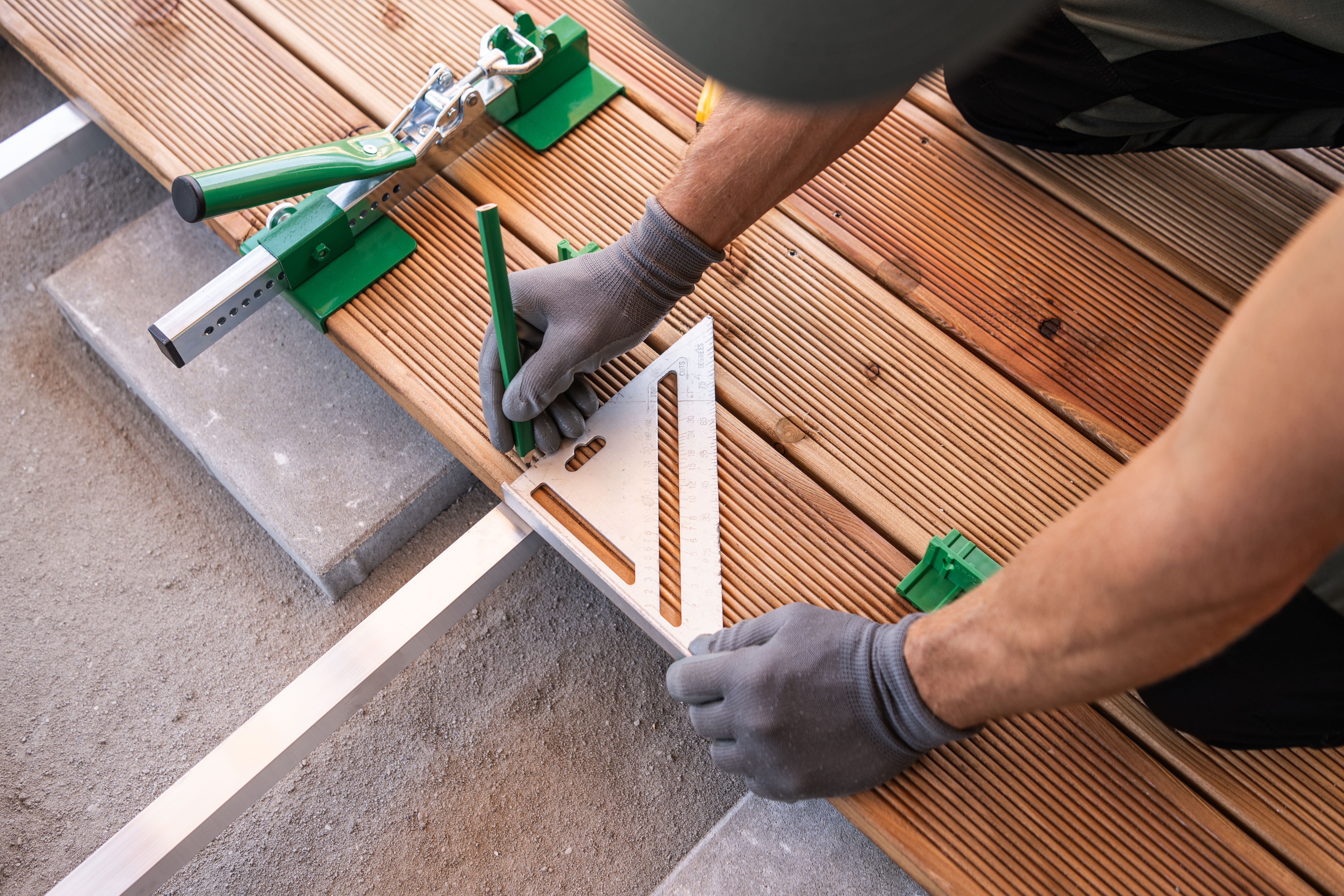
The first step in any successful deck project is thorough planning and design. A clear plan will prevent many issues down the line. Consider the purpose of your deck, the size and shape that fits your space, and the materials that best suit your needs.
Understand Local Building Codes
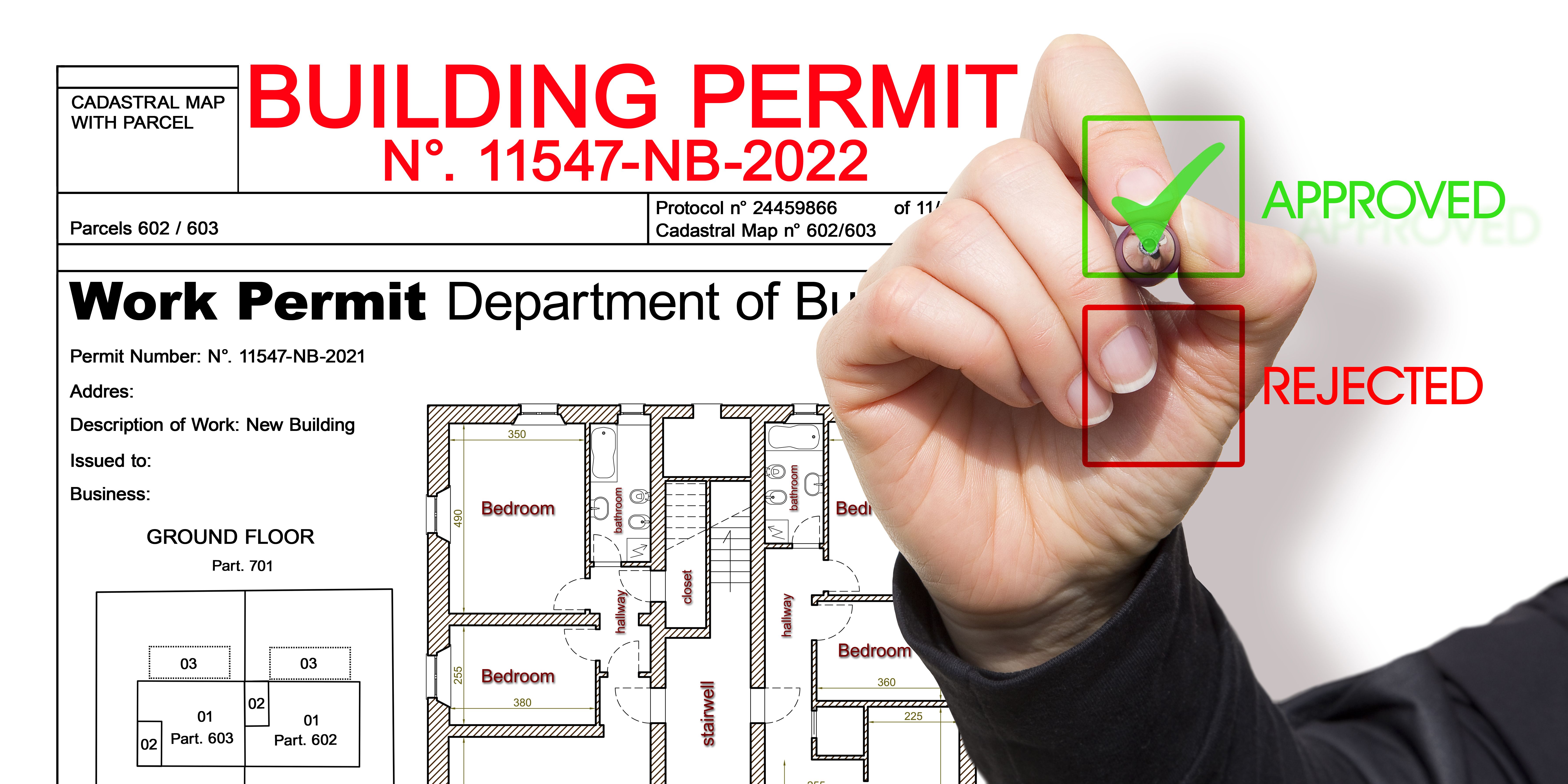
Before you start construction, familiarize yourself with local building codes and regulations. These codes are designed to ensure safety and structural integrity. Failing to comply can result in fines or the need to rebuild sections of your deck.
It's also wise to check if you need a permit for your deck project. Building without the necessary permits can lead to delays and additional expenses.
Foundation and Structural Integrity
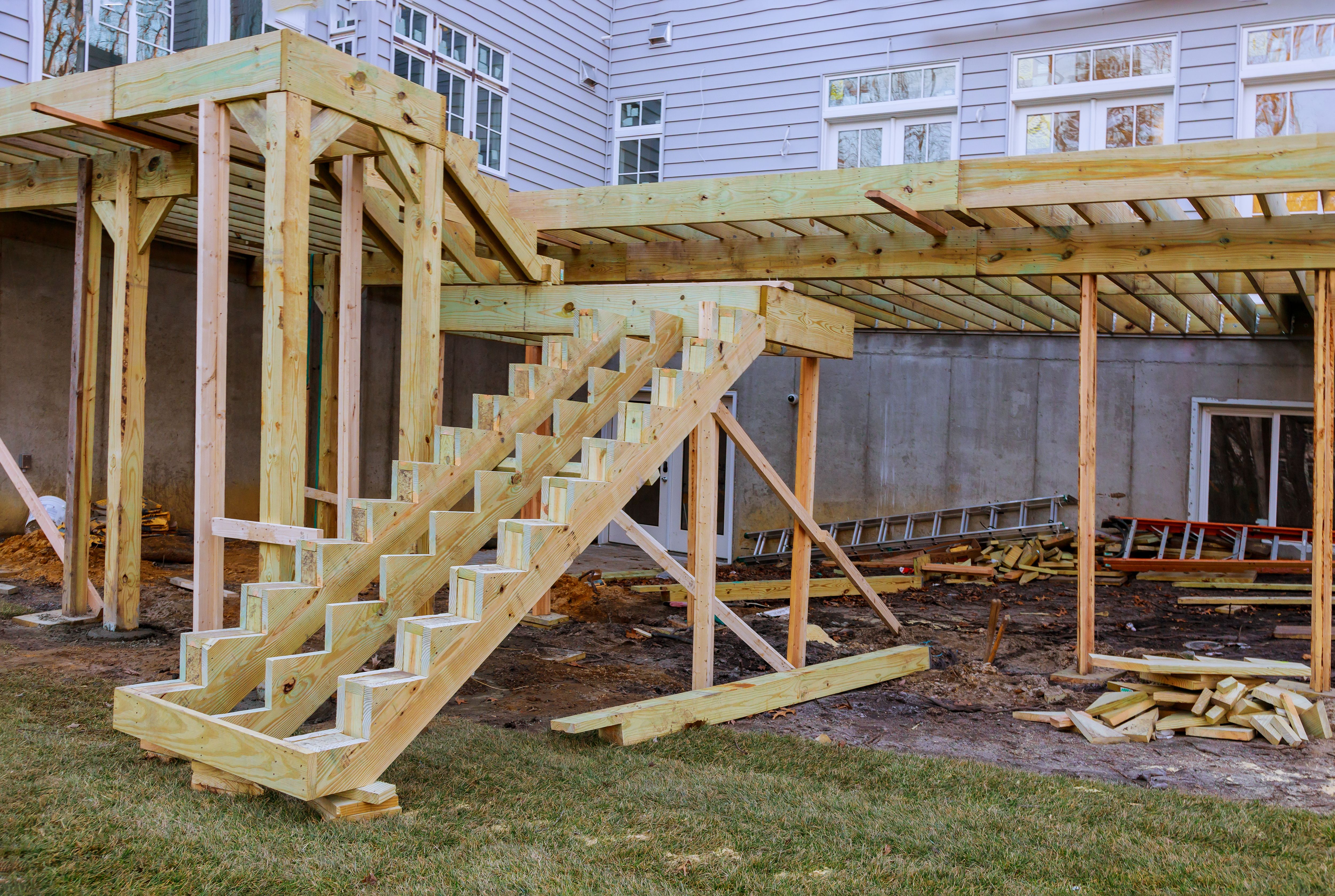
The foundation is the backbone of your deck. Ensuring it's strong and stable is crucial for longevity and safety. Here are some tips to keep in mind:
Choose the Right Footings
Footings provide the necessary support for your deck. Selecting the right type, whether concrete piers or helical piles, will depend on soil conditions and local climate. Incorrect footing choices can lead to settling and structural issues.
Properly Space Joists
Joist spacing is another critical factor in deck stability. Generally, joists should be spaced 12 to 16 inches apart, but this can vary based on the material used for the decking. Consult with a professional to ensure proper spacing and alignment.
Material Selection
Choosing the right materials can significantly impact the durability and appearance of your deck. Here's what to consider:
Durability and Maintenance
Materials like pressure-treated wood, composite, and cedar each come with their own set of pros and cons. Pressure-treated wood is cost-effective but requires more maintenance. Composite decking is low-maintenance but can be more expensive. Cedar offers a natural look but may need regular sealing.
Weather Resistance
Consider your local climate when selecting materials. Some materials perform better in wet environments, while others may be more suited to high-sun areas. Choose materials that can withstand the specific weather conditions of your region.
By paying attention to these details, you can avoid many common deck construction mistakes and enjoy a beautiful, long-lasting outdoor space. For more personalized advice, reach out to the experts at Strong Finish Decks. We're here to help you every step of the way.