Comparing Composite and Wood Decking: Which Is Right for Your Home?


Introduction to Decking Options
When it comes to enhancing your outdoor living space, choosing the right decking material is crucial. Two popular options are composite and wood decking. Both have their unique advantages and disadvantages, making the decision a bit challenging for homeowners. In this post, we'll explore these options to help you determine which is the best fit for your home.

Understanding Composite Decking
Composite decking is made from a blend of wood fibers and plastic, creating a durable and low-maintenance product. This material is designed to resist weathering, rot, and insect damage, making it an attractive choice for many homeowners.
Key Benefits of Composite Decking:
- Low maintenance: Requires minimal upkeep compared to wood.
- Durability: Resistant to fading, staining, and scratching.
- Eco-friendly: Often made from recycled materials.
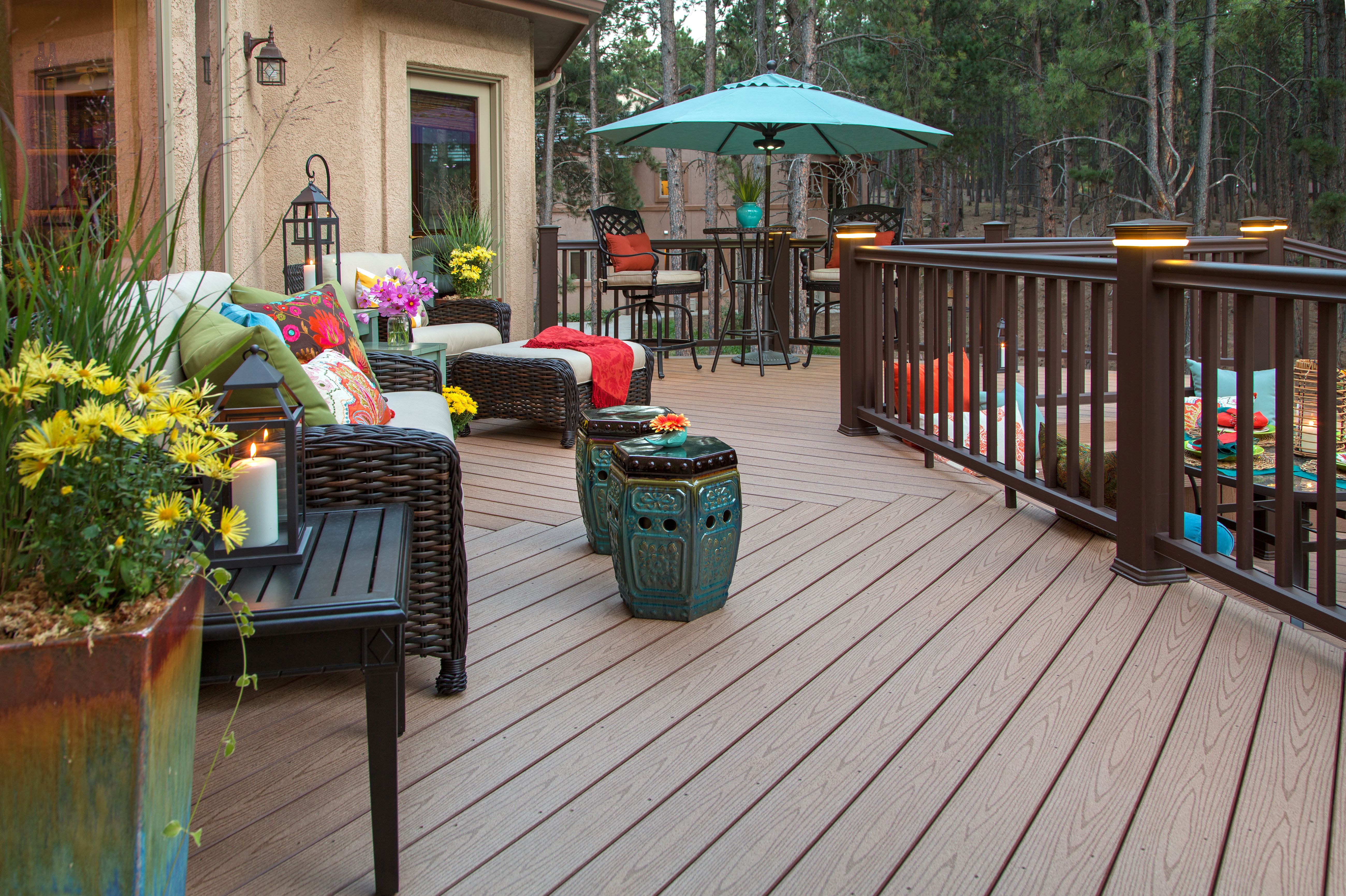
Exploring Wood Decking
Wood decking offers a natural and traditional aesthetic that many homeowners love. Common types of wood used for decking include cedar, redwood, and pressure-treated pine. While beautiful, wood decking requires more maintenance to keep it looking its best.
Advantages of Wood Decking:
- Natural appearance: Provides a classic and warm look.
- Cost-effective: Often cheaper upfront than composite options.
- Versatility: Can be stained or painted to match your style.

Maintenance Considerations
One of the significant differences between composite and wood decking is the level of maintenance required. Composite decking is generally low-maintenance, needing only occasional cleaning with soap and water. Wood decking, on the other hand, requires regular staining or sealing to protect against the elements.
For those who prefer a no-fuss solution, composite might be the better choice. However, if you enjoy the process of maintaining and customizing your deck, wood could be more suitable.
Environmental Impact
When considering environmental impact, composite decking often has the edge. Many composite products are made from recycled materials, reducing the need for new lumber. However, sustainably sourced wood can also be an eco-friendly option, especially if you choose certified lumber.

Cost and Longevity
Cost is always a factor when choosing decking materials. While wood decking may be less expensive initially, the ongoing maintenance costs can add up over time. Composite decking, although more expensive upfront, often proves to be more cost-effective in the long run due to its durability and low maintenance requirements.
In terms of longevity, composite decking tends to last longer than wood, which can be an important consideration for long-term homeowners.
Conclusion
Ultimately, the decision between composite and wood decking comes down to personal preference, budget, and maintenance willingness. Composite decking offers durability and low maintenance, while wood decking provides a natural look and the ability to customize. By weighing the pros and cons of each material, you can choose the best option for your outdoor space.