Eco-Friendly Deck Materials: Trends and Tips for a Sustainable Outdoor Space


Creating a sustainable outdoor space is an excellent way to enhance your home while being kind to the environment. With eco-friendly deck materials becoming more popular, homeowners have a variety of stylish and sustainable options to choose from. Whether you're building a new deck or renovating an existing one, understanding the latest trends and tips can help you make informed decisions.

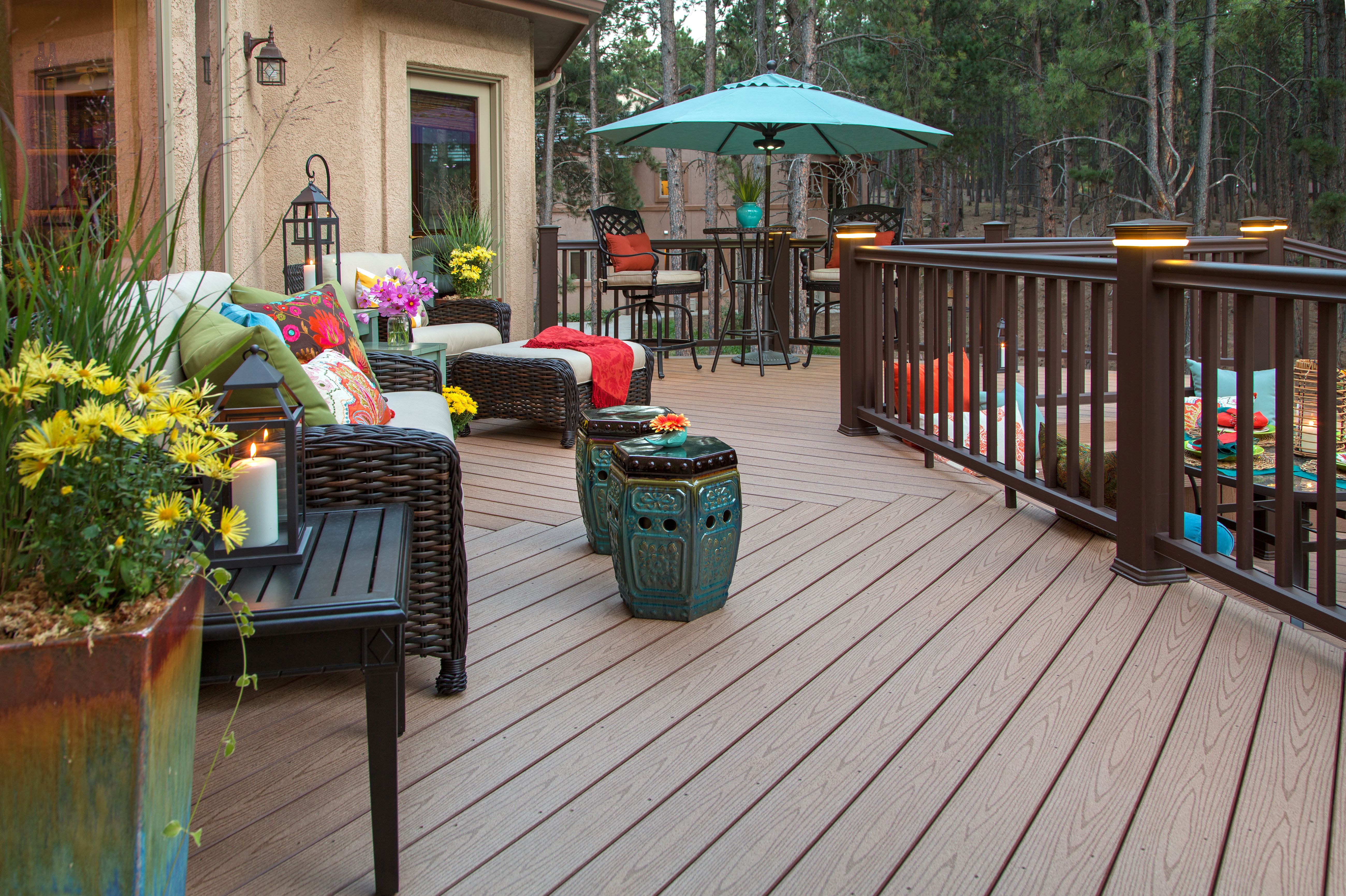
Recycled Composite Decking
One of the most popular choices for eco-friendly decking is recycled composite materials. These decks are made from a blend of recycled wood fibers and plastic, making them a sustainable alternative to traditional wood. Not only do they help reduce deforestation, but they also divert plastic waste from landfills. Composite decking is known for its durability and low maintenance, requiring no staining or sealing.
Another advantage of composite decking is its resistance to rot and insect damage. This ensures a longer lifespan, which is both cost-effective and environmentally friendly. When selecting composite materials, look for certifications from organizations like the Forest Stewardship Council (FSC) to ensure ethical sourcing.
Bamboo: A Rapidly Renewable Resource
Bamboo is gaining popularity as a decking material due to its rapid growth and renewability. Unlike traditional hardwoods, bamboo can be harvested every few years without killing the plant. This makes it a highly sustainable option. Bamboo decks offer a sleek, modern look and are available in various finishes and colors.
While bamboo is naturally resistant to moisture and insects, it's essential to select high-quality, treated bamboo for outdoor use. This treatment enhances its durability, making it suitable for various climates. Always ensure that the bamboo is sourced from responsibly managed plantations.
Thermally Modified Wood
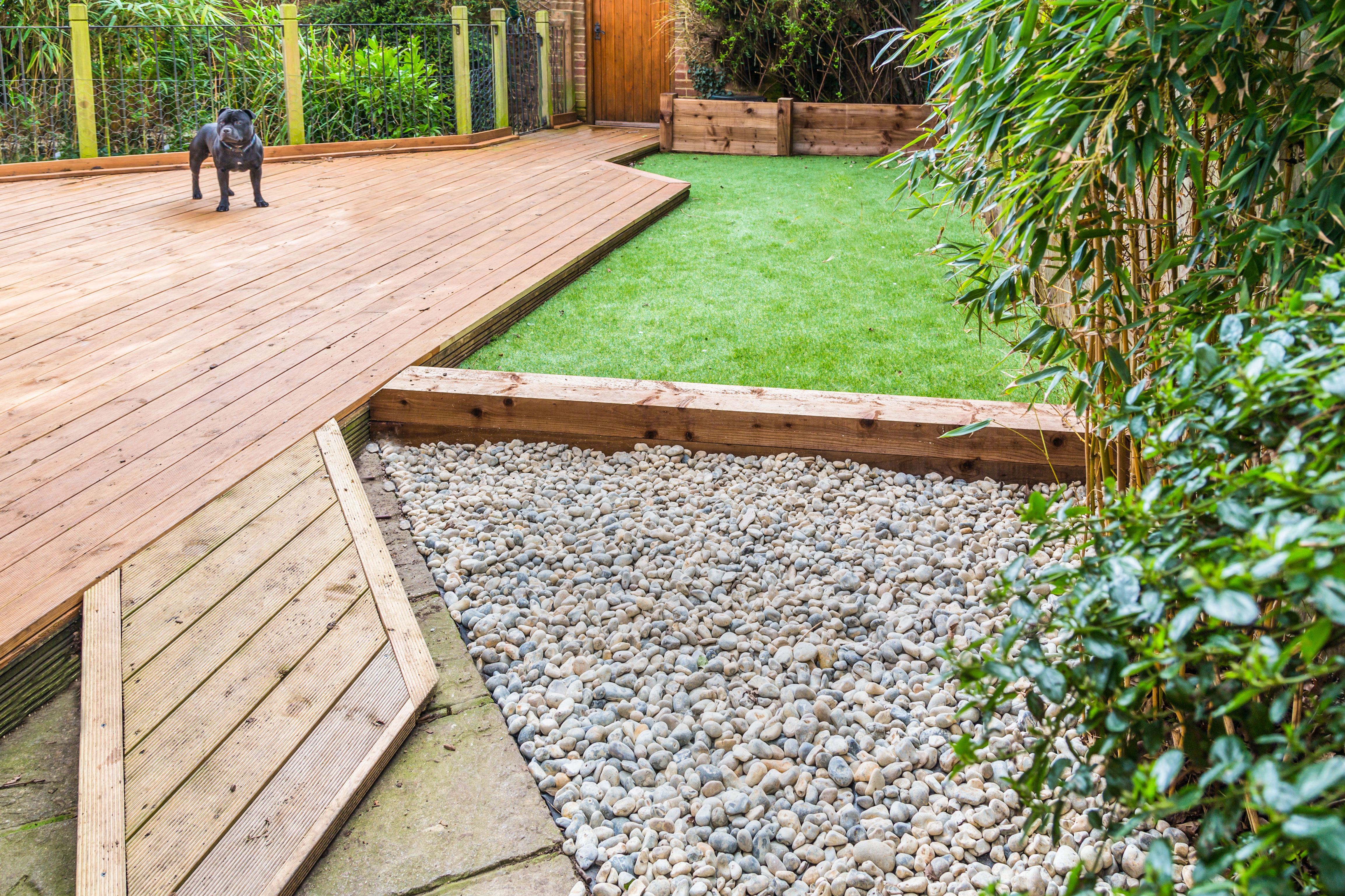
Thermally modified wood is another eco-friendly decking option that has been gaining attention. The thermal modification process involves heating wood to high temperatures, altering its cellular structure to improve durability and resistance to decay. This process enhances the wood's stability, reducing warping and swelling.
Thermally modified wood does not require chemical preservatives, making it a healthier choice for both the environment and your family. It retains the natural beauty of wood, offering a classic look with enhanced performance.
Tips for a Sustainable Deck
To further enhance the sustainability of your deck, consider the following tips:
- Choose Local Materials: Sourcing materials locally reduces transportation emissions and supports local economies.
- Opt for Non-Toxic Finishes: Use eco-friendly stains and sealants that are free from harmful chemicals.
- Incorporate Greenery: Add planters with native plants to support local biodiversity and create a natural ambiance.
By selecting eco-friendly materials and following sustainable practices, you can create an outdoor space that is both beautiful and kind to the planet. Investing in a sustainable deck not only benefits the environment but also adds lasting value to your home.