Expert Tips for Deck Resurfacing and Renovation


Understanding Deck Resurfacing
Deck resurfacing is an essential part of maintaining a beautiful and functional outdoor space. Over time, exposure to the elements can cause wear and tear on your deck, making it look old and unattractive. Resurfacing not only enhances the aesthetic appeal but also strengthens the structure. Whether you're a DIY enthusiast or planning to hire a professional, understanding the basics can help you make informed decisions.
Assessing the Condition of Your Deck
Before diving into the renovation process, it's crucial to assess the current condition of your deck. Look for signs of damage such as rotting wood, loose nails, or faded paint. Pay attention to the structural integrity, as this will determine the extent of the work needed. If you notice severe damage, it might be best to consult with a professional to ensure safety and quality.
Choosing the Right Materials
One of the most important steps in deck resurfacing is choosing the right materials. There are a variety of options available, each with its own advantages:
- Wood: Offers a classic look but requires more maintenance.
- Composite: Durable and low-maintenance but can be more expensive.
- Vinyl: Resistant to moisture and easy to clean.
Selecting the right material depends on your budget, aesthetic preference, and maintenance willingness.
Preparing the Deck Surface
Proper preparation is key to a successful resurfacing project. Start by cleaning the deck thoroughly to remove dirt, debris, and any old finishes. Use a pressure washer for deep cleaning but be cautious to avoid damaging the wood. Once cleaned, inspect the deck for any necessary repairs, such as replacing broken boards or tightening loose screws.
Applying the New Surface
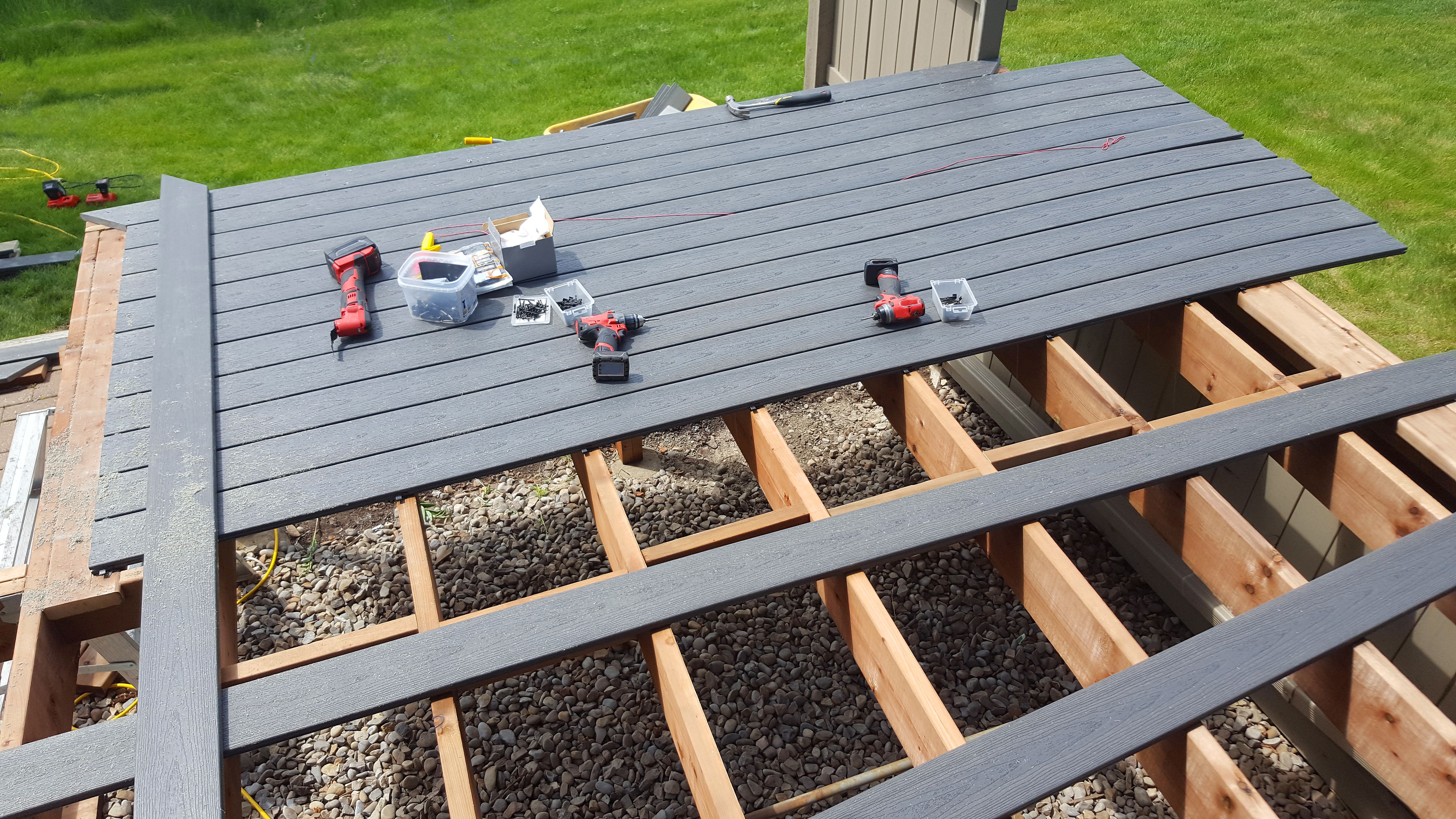
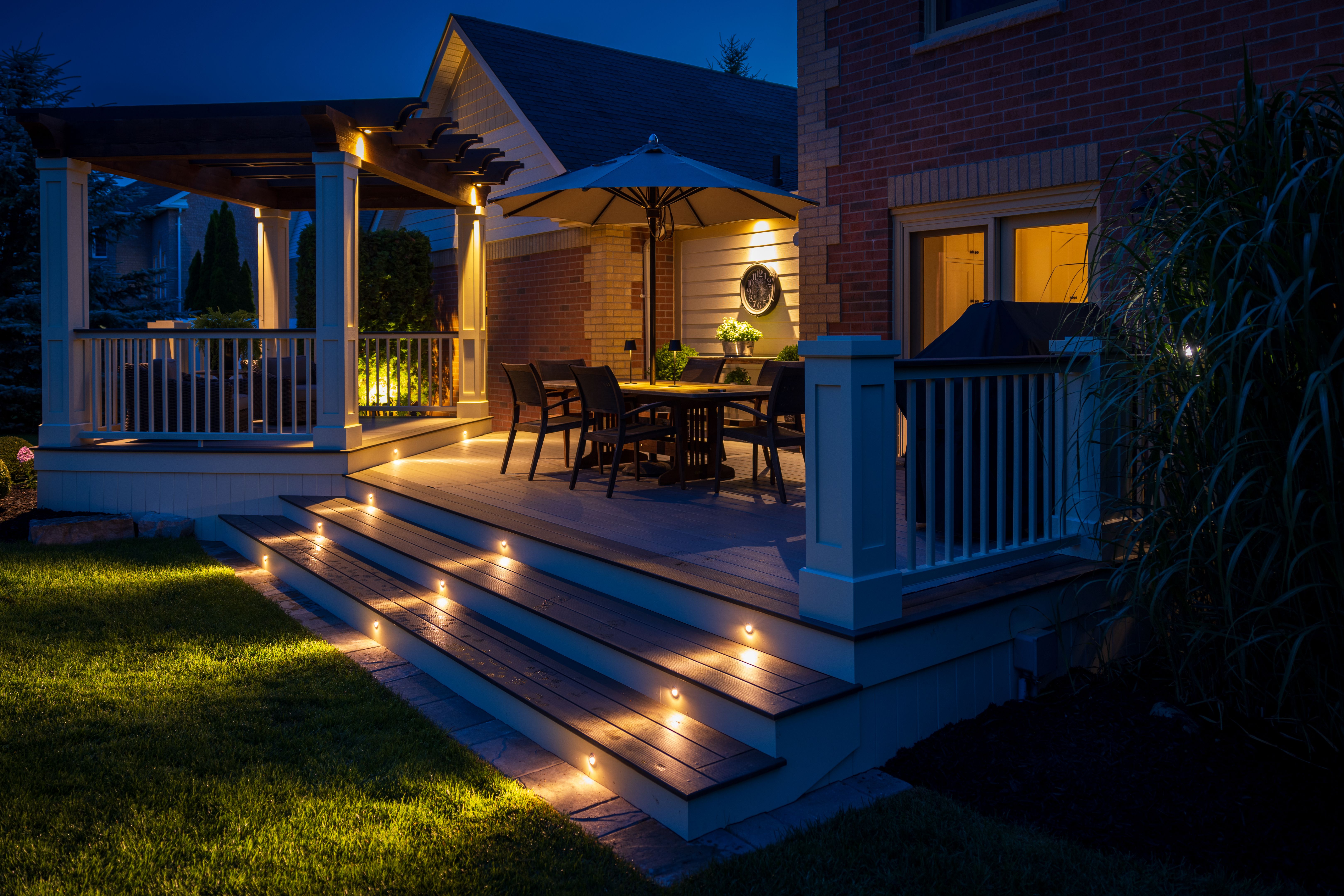
Once the deck is prepped, it's time to apply the new surface. If you're using wood, consider staining or sealing it for added protection. For composite or vinyl, follow the manufacturer's instructions for installation. Ensure even application and allow adequate drying time to achieve the best results. This step is crucial for both appearance and longevity.
Adding the Finishing Touches
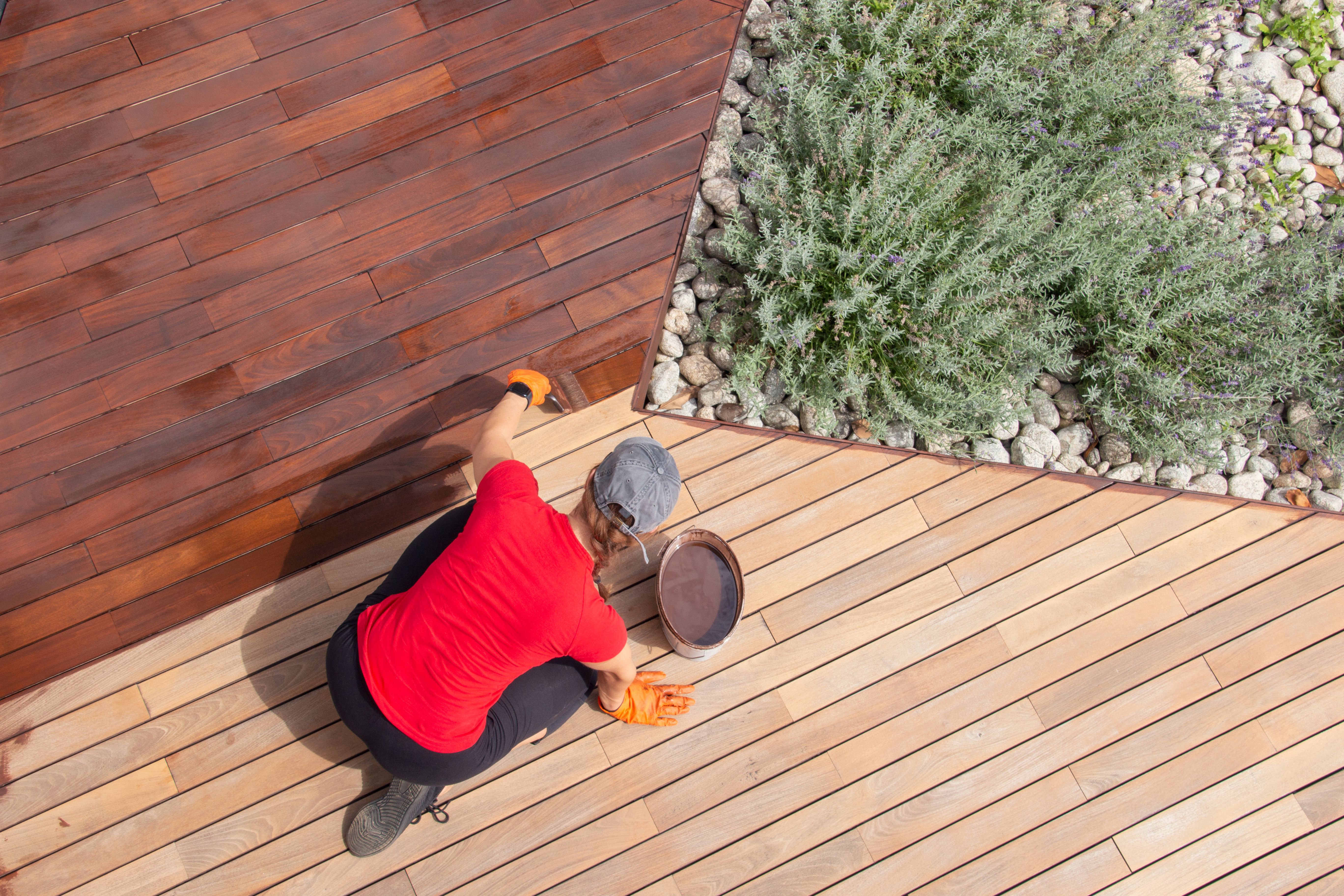
After the new surface is in place, consider adding finishing touches to enhance the overall look. Accessories like railings, lighting, and furniture can transform your deck into a cozy outdoor retreat. Choose elements that complement your home's style and the deck's design to create a cohesive look.
Maintaining Your Newly Resurfaced Deck
Maintenance is key to preserving your deck's new look and extending its lifespan. Regular cleaning, inspecting for damage, and resealing when necessary will keep your deck looking fresh. Establish a maintenance schedule to address minor issues before they become significant problems.
In conclusion, deck resurfacing is an investment in both your home's appearance and its value. By following these expert tips, you can ensure a successful renovation that enhances your outdoor living space for years to come.